
Newton first
The content is written around Newton’s mature canopy, 13-village structure, private-tree rules, residential property patterns, and close-in surrounding service area.
A locally researched tree-service resource built without invented operator claims.
Newton Tree Service is a local tree-service website designed to connect property owners with tree-service help. It is not presented as a staffed municipal office, a named arborist practice, or a company with fabricated years in business, awards, licenses, review counts, employees, or equipment. Those facts should only be added when a verified operator is attached to the site.
What the site can do now is provide clear, locally researched information about common tree services, Newton’s private-tree permit system, planning costs, nearby coverage, and the questions that matter before a contractor can price the work.
Newton Tree Service
70 Rowe St
Newton, MA 02466
(617) 553-6575
office@newtontreeservice.com
This address is displayed as the supplied business/mailing address. The site does not claim it is a staffed walk-in office.
The service pages are written around the decisions a property owner actually needs to make. Removal pages discuss access, rigging, cleanup, stump work, and Newton's permit system. Pruning content separates defined pruning objectives from indiscriminate topping. Storm information puts electrical and structural hazards ahead of cleanup. Tree-health content points to regional university guidance instead of presenting a photo-based diagnosis as certainty.
The site also keeps contact details and service-area language centralized so they can be updated consistently when the operating relationship changes. That matters for a local service property because a stale phone number, old email, or mismatched address can create both customer confusion and technical SEO problems.
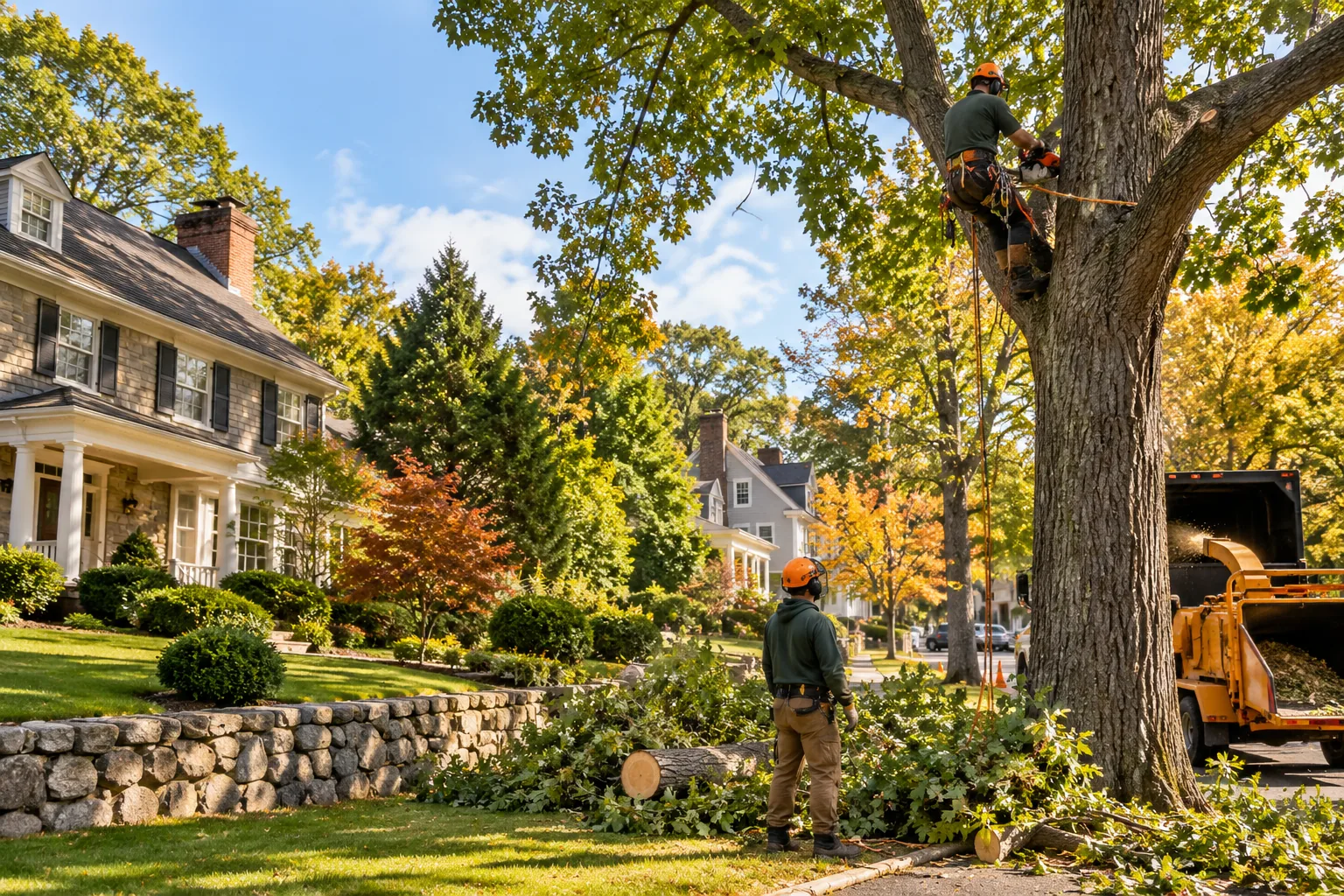
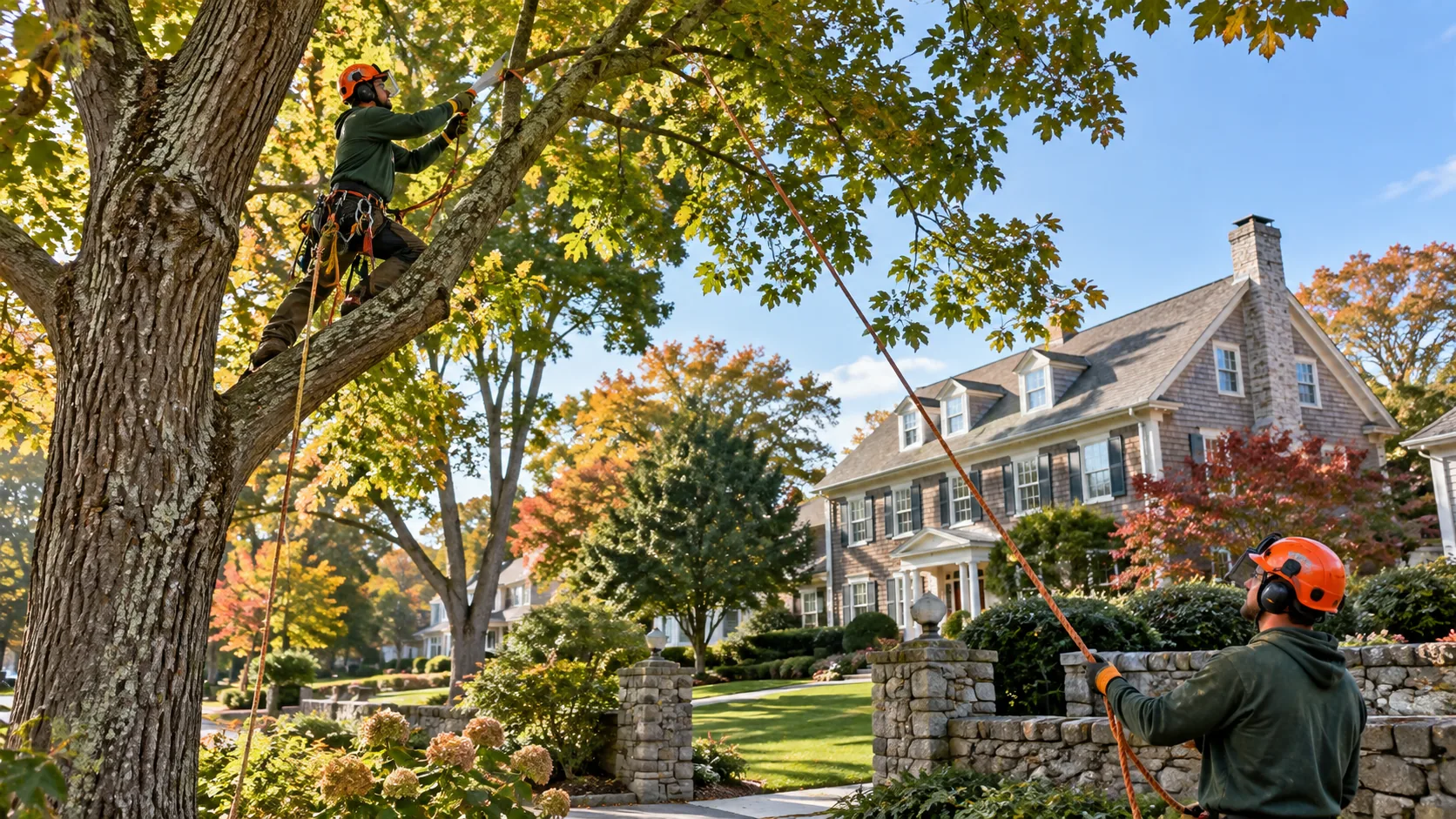
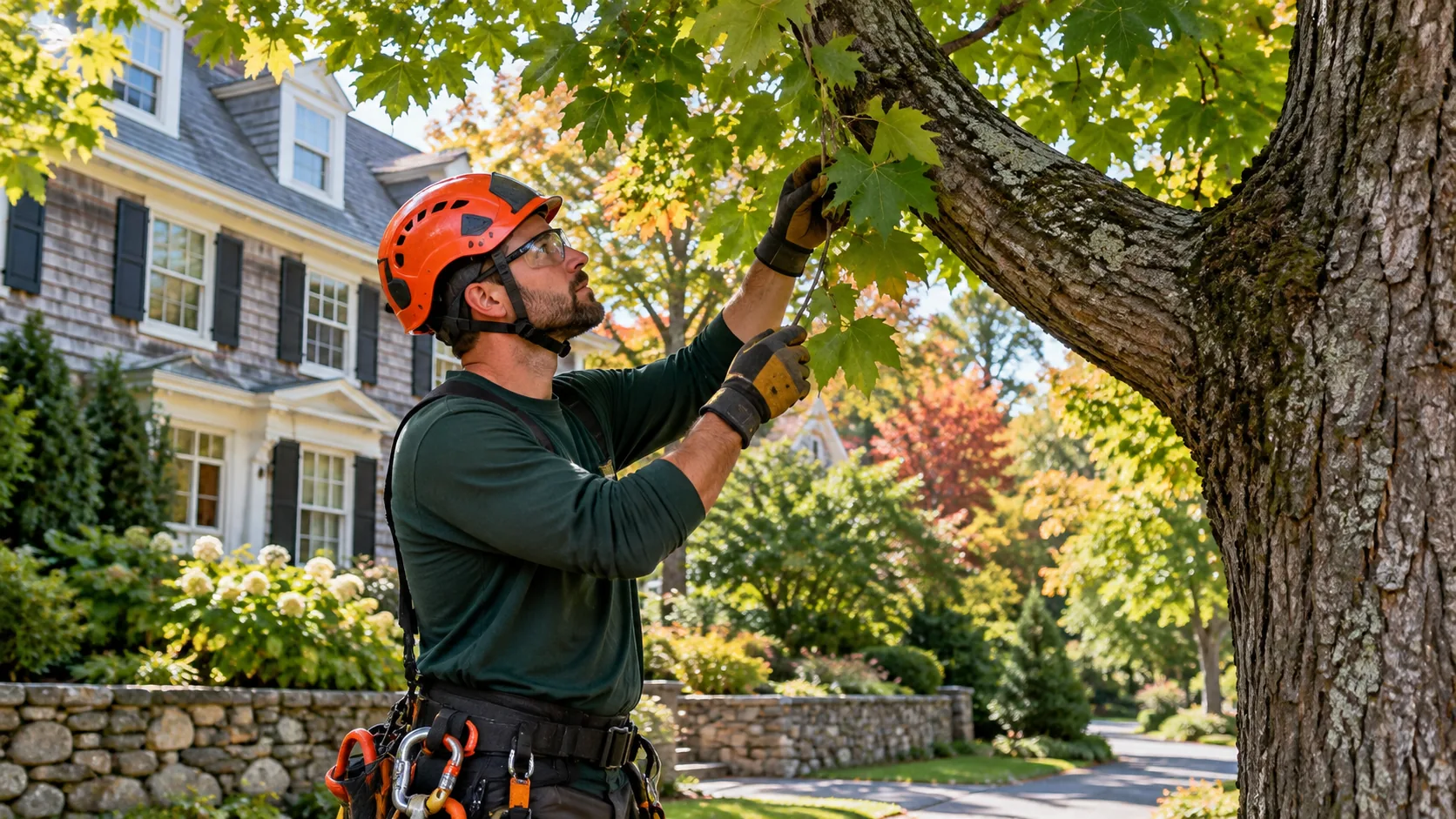
The content is written around Newton’s mature canopy, 13-village structure, private-tree rules, residential property patterns, and close-in surrounding service area.
Seven meaningful services are separated where the buying problem, equipment, process, or decision is different, without spinning synonyms into filler pages.
The site avoids invented ratings, warranties, licenses, staff bios, hours, financing, 24/7 claims, and other trust signals that have not been verified.
Permit guidance links to the City of Newton. Tree-health content points to UMass Extension. Pricing is presented as broad planning guidance rather than fake fixed rates.
The public site is generated from editable source rather than maintained as a pile of one-off production HTML edits. Site-wide facts live in a central configuration file, page copy lives in individual content files, and the build process regenerates the deployment folder after changes. The build also runs structural QA before producing the Cloudflare deployment ZIP.
That workflow is intentionally boring in the best possible way. A phone number, address, service page, or policy link should be changed in the source and rebuilt, not patched in one live file while old values survive elsewhere. The same system also checks for missing local images, broken internal links, duplicate service imagery, thin pages, missing forms, and other common launch defects.
That also keeps future operator updates cleaner and less disruptive.
A city can be one municipality and still contain very different tree-work conditions. Newton’s village centers, residential streets, river corridors, mature canopy, old stone walls, established gardens, utility infrastructure, and housing patterns can change access and risk from one property to the next.
That is why the site does not treat “tree service” as a single generic product. Removal, pruning, stump grinding, emergency work, cabling, health care, and commercial maintenance solve different problems. The estimate should follow the condition of the tree and the property.
Verified operator details can then be centralized and added consistently: legal or public business name where appropriate, licenses or certifications if real, service standards, response boundaries, financing or warranties only if offered, and other factual trust information. The ranking URLs and core content can remain stable while the factual business layer is updated.
Read the service standardsFor visitors, that means the useful parts of the site stay public and straightforward: what services exist, what local conditions matter, where service is intended, how to request an estimate, and where official permit or university guidance should be consulted. Internal production mechanics stay behind the scenes.
Include the property address, the service you need, what the tree is close to, and any access or storm-damage details that may affect the work.