
Tree Permit Application - Construction
Used when exterior work is taking place, whether or not trees are being removed. The City lists a filing fee and requires supporting tree-protection documentation.
Understand the current permit paths before regulated tree removal or exterior construction begins.
The City of Newton’s current Tree Preservation Ordinance guidance says a permit is required before removing private trees with a trunk diameter of six inches or greater. The City also requires a tree-permit process when exterior construction work is planned, even if the project does not include tree removal.
This page is a homeowner planning guide, not legal advice and not a substitute for the City’s current forms. Permit procedures, fees, replacement rules, and interpretations can change. Use the City of Newton as the final authority before work starts.
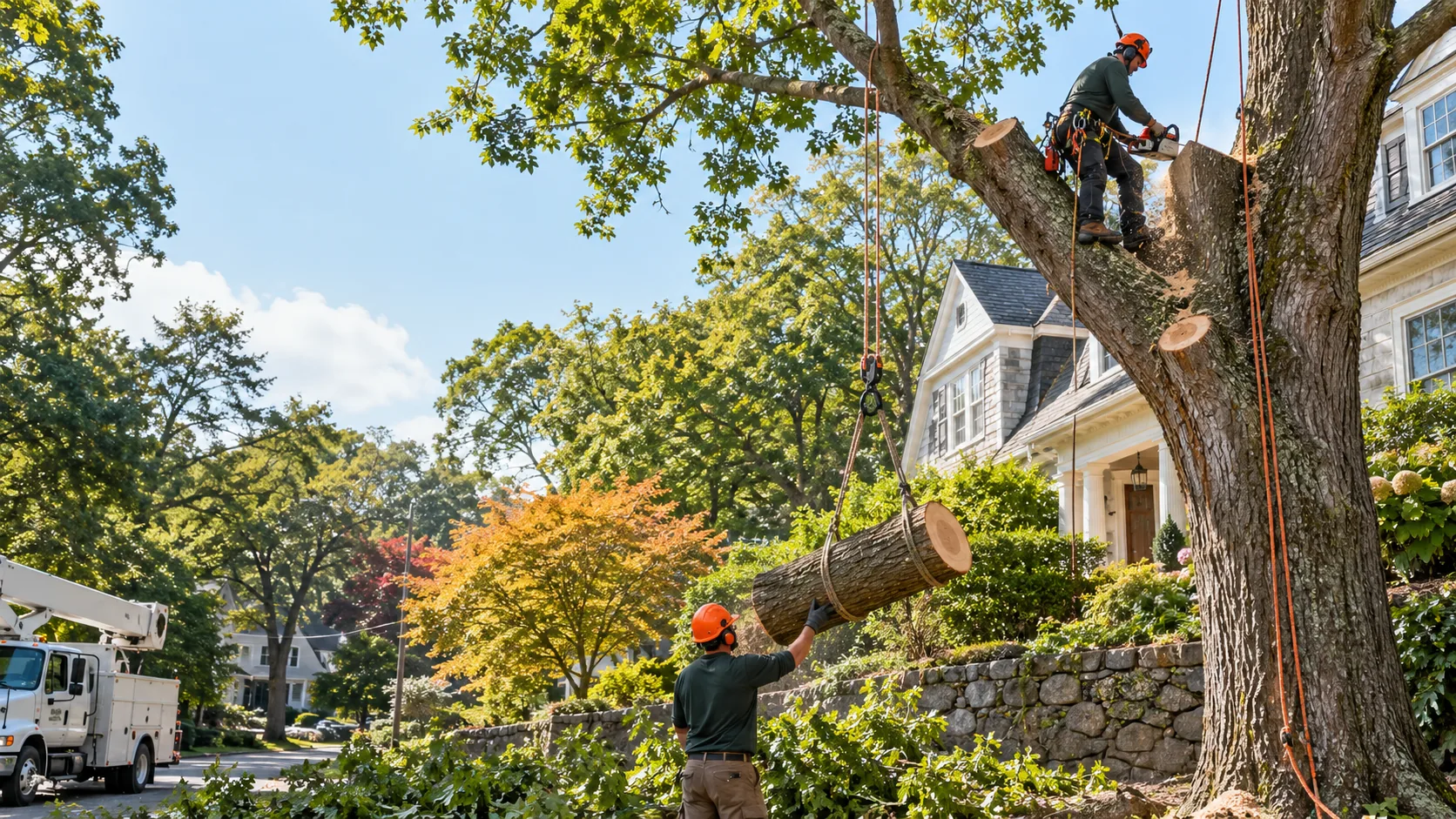
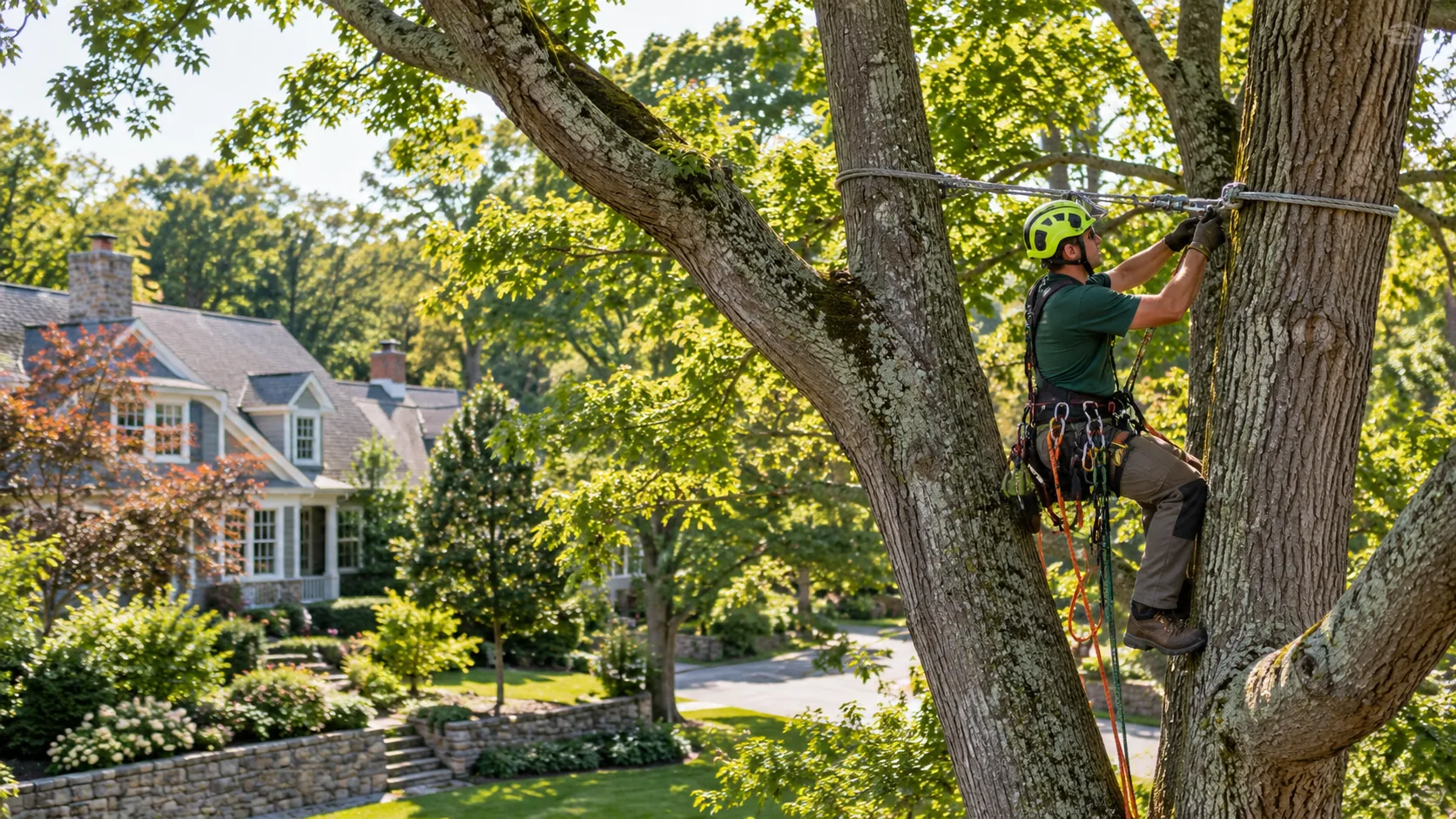
Used when exterior work is taking place, whether or not trees are being removed. The City lists a filing fee and requires supporting tree-protection documentation.
For qualifying occupied single- or two-family residential lots with no exterior construction underway or planned during the stated period, and tree size within the City’s current exemption range.
Used for removals without construction when the property or tree does not fit the exemption path, including certain very large residential trees.
The City identifies a Tree Removal Form for removals and an Arborist Form for construction and non-construction applications. In specified situations, an ISA Basic Tree Risk Assessment Form may also be required. Abutter notification and tree-protection documentation can apply depending on the application.
That is one reason to identify permit needs before the tree crew is standing in the driveway. A regulated removal can involve municipal review, replacement or payment obligations, arborist documentation, or construction protection details that affect scheduling.
Newton defines a Tree Save Area using the drip line or a radius tied to trunk diameter, whichever is greater. The City restricts construction activity in the Tree Save Area of protected trees unless authorized through an approved Tree Permit and Tree Protection Plan.
Excavation, trenching, grading, material storage, heavy equipment, and spills can all injure roots even when the trunk is never touched. If a renovation, addition, driveway, utility trench, or other exterior project is planned near mature trees, tree protection should be coordinated before site disturbance begins.
Permit requirements can change and project details matter. Confirm the current ordinance, forms, fees, and instructions directly with the City of Newton Urban Forestry program.
Start by identifying whether the project includes tree removal, exterior construction, or both. Measure or professionally confirm the approximate DBH of trees that may be affected, then use the City's current guidance to choose the correct application path. Gather required removal, arborist, risk-assessment, abutter, or tree-protection documents before the planned work date. If replacement planting or a payment obligation may apply, include that in project budgeting rather than treating it as an afterthought.
For construction projects, coordinate the tree plan with the broader site plan early. Root protection, equipment routes, excavation limits, material storage, and grading are easier to manage before work begins than after a protected tree has already been disturbed.
The City’s current guidance says private trees six inches DBH and larger require a permit before removal.
DBH means diameter at breast height, measured at about 4.5 feet above grade at the base of the tree.
Newton states that a Tree Permit must be applied for any time exterior construction work is to take place, even when no trees are being removed.
The City provides an exemption application for qualifying occupied single- or two-family residential lots with no exterior construction underway or planned for 24 months, when the tree is between 6 and 39 inches in trunk diameter. Verify current eligibility before relying on it.
The City’s current guidance routes certain 40-inch-and-larger residential removals through the non-construction permit path, which includes additional documentation.
Include the property address, the service you need, what the tree is close to, and any access or storm-damage details that may affect the work.