Do I need a permit to remove a tree in Newton?
Newton regulates many private-tree removals, and the answer can depend on tree size, property type, construction activity, and the current city rules. Before scheduling removal, confirm the applicable permit path and any replacement obligations. Our Newton tree-permit guide summarizes the planning issues and links to the City of Newton so you can verify the current requirements for your specific property and project. Permit requirements can change, so the city remains the final authority even when a contractor is helping plan the work.
How much does tree removal cost in Newton?
Tree-removal pricing changes substantially with height, trunk diameter, tree condition, access, rigging complexity, nearby roofs or utilities, equipment needs, debris handling, stump work, and permit-related requirements. Typical Boston-area ranges are useful for budgeting, but they are not quotes. The cost guide explains the main price drivers, and a property-specific estimate is the right way to price an actual tree. Tight urban access and careful rigging around neighboring property are especially important reasons two seemingly similar trees can price very differently.
When is the best time to prune trees?
The best pruning window depends on the species, tree condition, goals, and reason for the work. Dead, broken, rubbing, or hazardous limbs may deserve prompt attention regardless of season. Routine structural or clearance pruning can often be timed around tree biology and local weather. A site assessment helps separate work that should happen now from maintenance that can be scheduled more deliberately. Pruning goals also matter: clearance, deadwood removal, structure, storm-risk reduction, and long-term canopy management are not always the same job.
Do you offer emergency tree service?
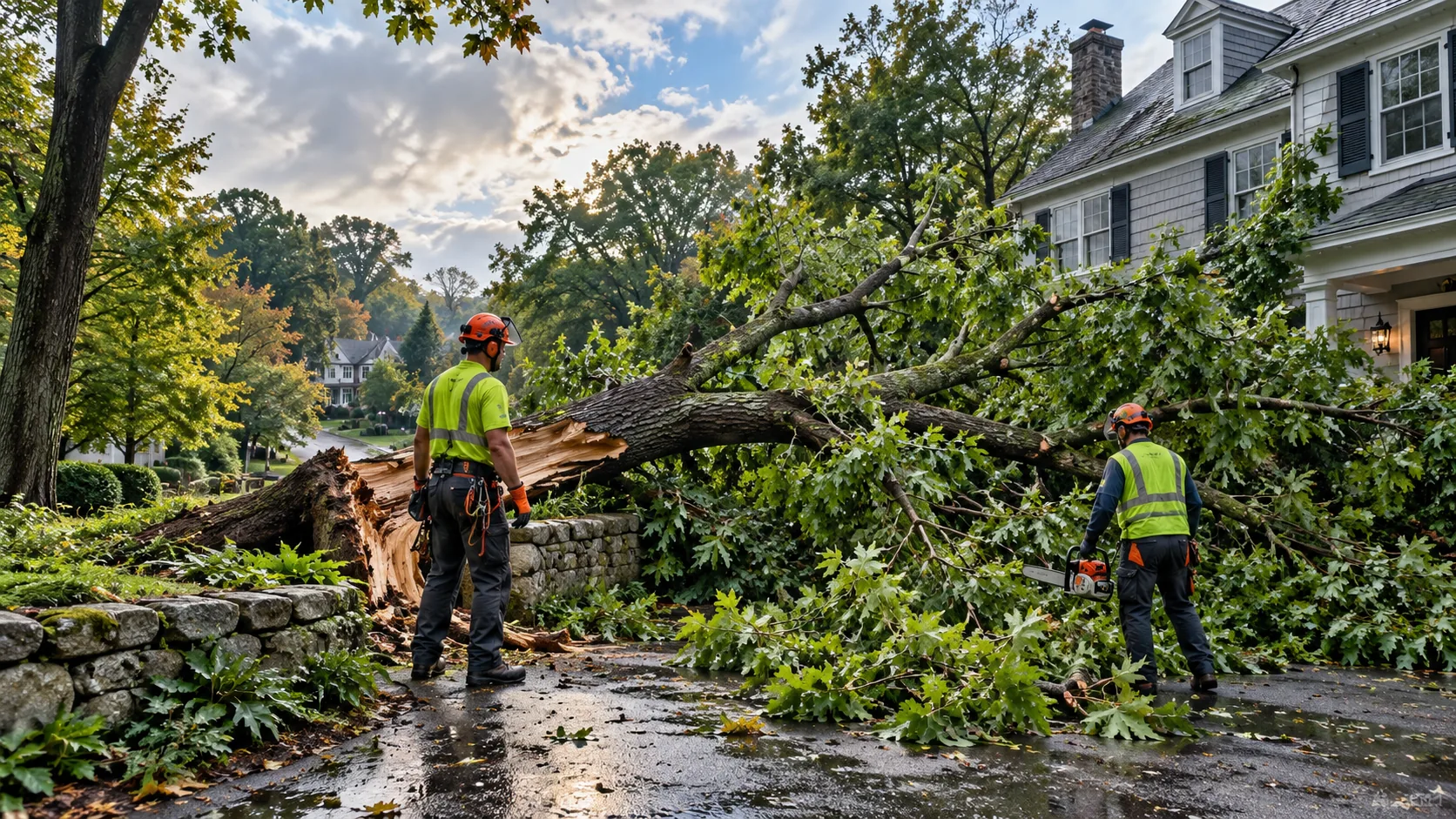
Emergency requests can include fallen trees, large split limbs, storm damage, trees blocking driveways, or immediate hazards near buildings and access routes. Call when the situation is urgent and keep people away from unstable trees or suspended branches. If electrical conductors are down or a tree is contacting utility infrastructure, contact the utility or emergency authority before treating the situation as ordinary tree-service work. Photos can help describe the situation, but do not enter a danger zone simply to take them.
Do you grind stumps after tree removal?
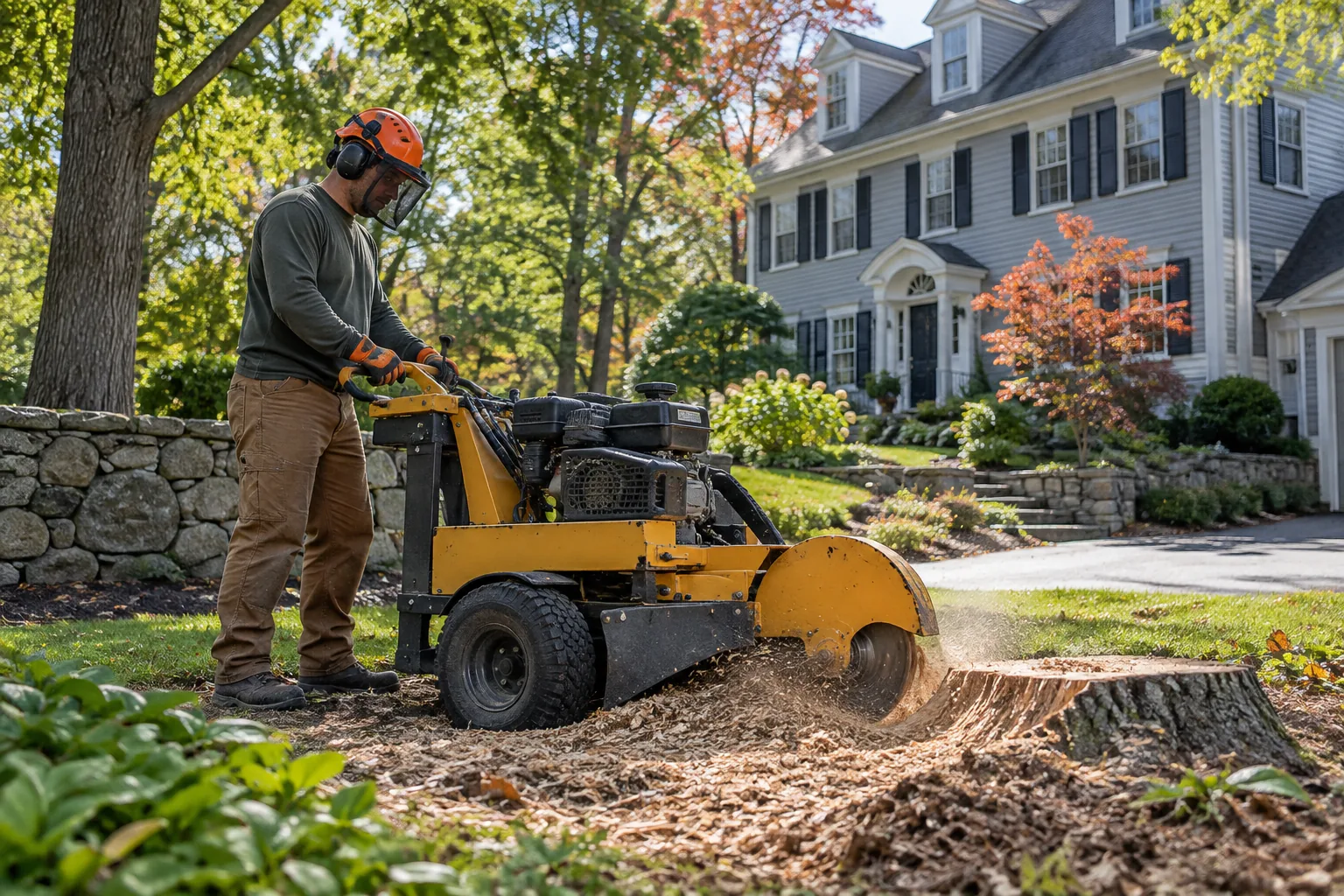
Stump grinding can be included as a separate scope after tree removal or handled as its own project. Cost and feasibility depend on stump diameter, root flare, desired grind depth, access for the machine, nearby walls or pavement, buried utilities, irrigation, and what you want to do with the area afterward. The estimate should state clearly whether grinding and debris handling are included.
Can you help with tree health and disease concerns?
Tree-health requests often begin with canopy thinning, unusual leaf symptoms, dead branches, decay concerns, pest activity, bark changes, or general decline. Those symptoms can have several causes, so the goal is to inspect the tree and site rather than diagnose from a single photo or symptom. The tree-health page also covers Massachusetts-specific issues and points to credible extension resources for further guidance.
What Newton neighborhoods and villages do you serve?
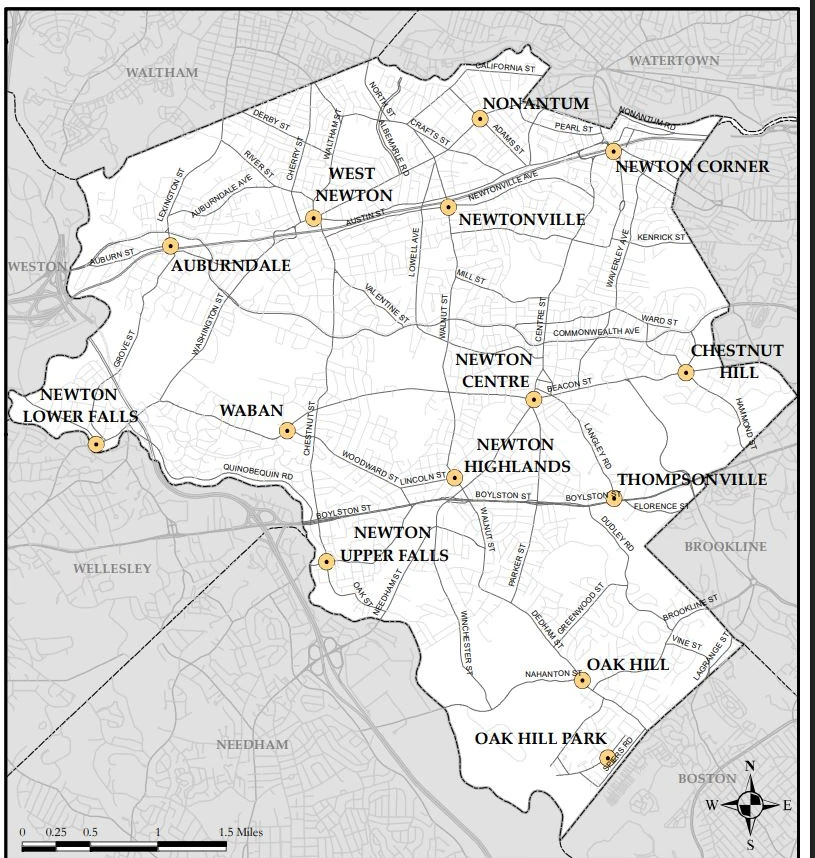
Newton is the primary market, including its established villages and neighborhoods such as Auburndale, West Newton, Waban, Newton Centre, Newton Highlands, Newtonville, Nonantum, Newton Corner, Chestnut Hill, Newton Upper Falls, Newton Lower Falls, Thompsonville, and Oak Hill. The service area also includes selected close-in communities where contractor travel remains practical. See the Service Areas page for the current coverage list.
Will tree work damage my lawn or landscaping?
Tree work can place real demands on lawns, gardens, driveways, and other site features, which is why access planning matters. Tree size, equipment, wet soil, slopes, narrow gates, stone walls, irrigation, planting beds, and drop zones all affect the approach. A clear estimate should identify access constraints and discuss reasonable protection measures before machinery or heavy wood moves across the property. When lawn protection is important, discuss mats, equipment routes, and restoration expectations before work starts.
What happens to branches, logs, and wood debris?
Cleanup should be spelled out in the project scope rather than assumed. Depending on the job, branches may be chipped and hauled, logs may be removed or cut into manageable sections, and stump grindings may be left, leveled, or handled separately. If you want usable firewood-sized pieces, chips left on site, or a particularly clean finish, mention that before the estimate is finalized.
Can you work around homes, garages, fences, and utilities?
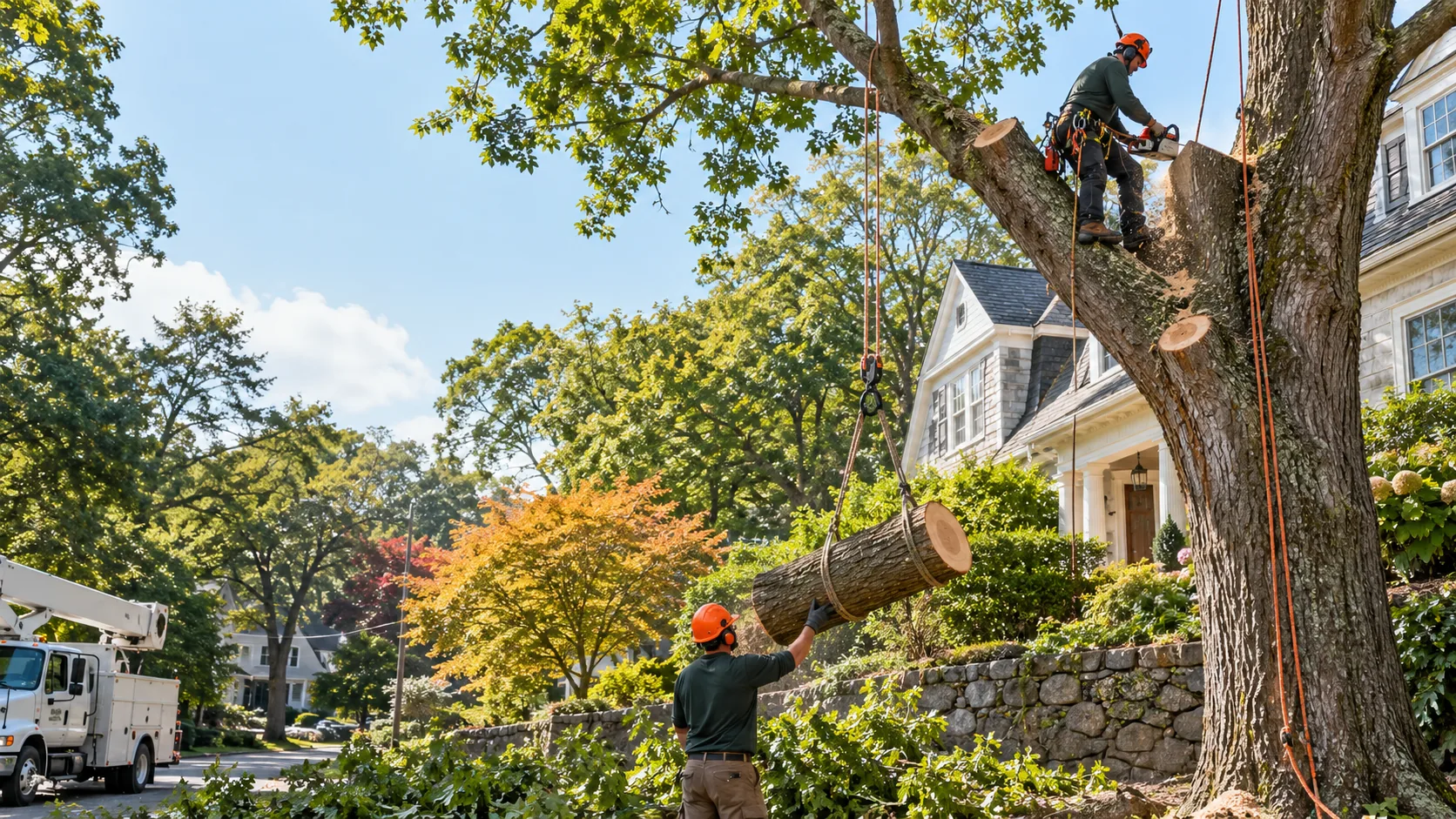
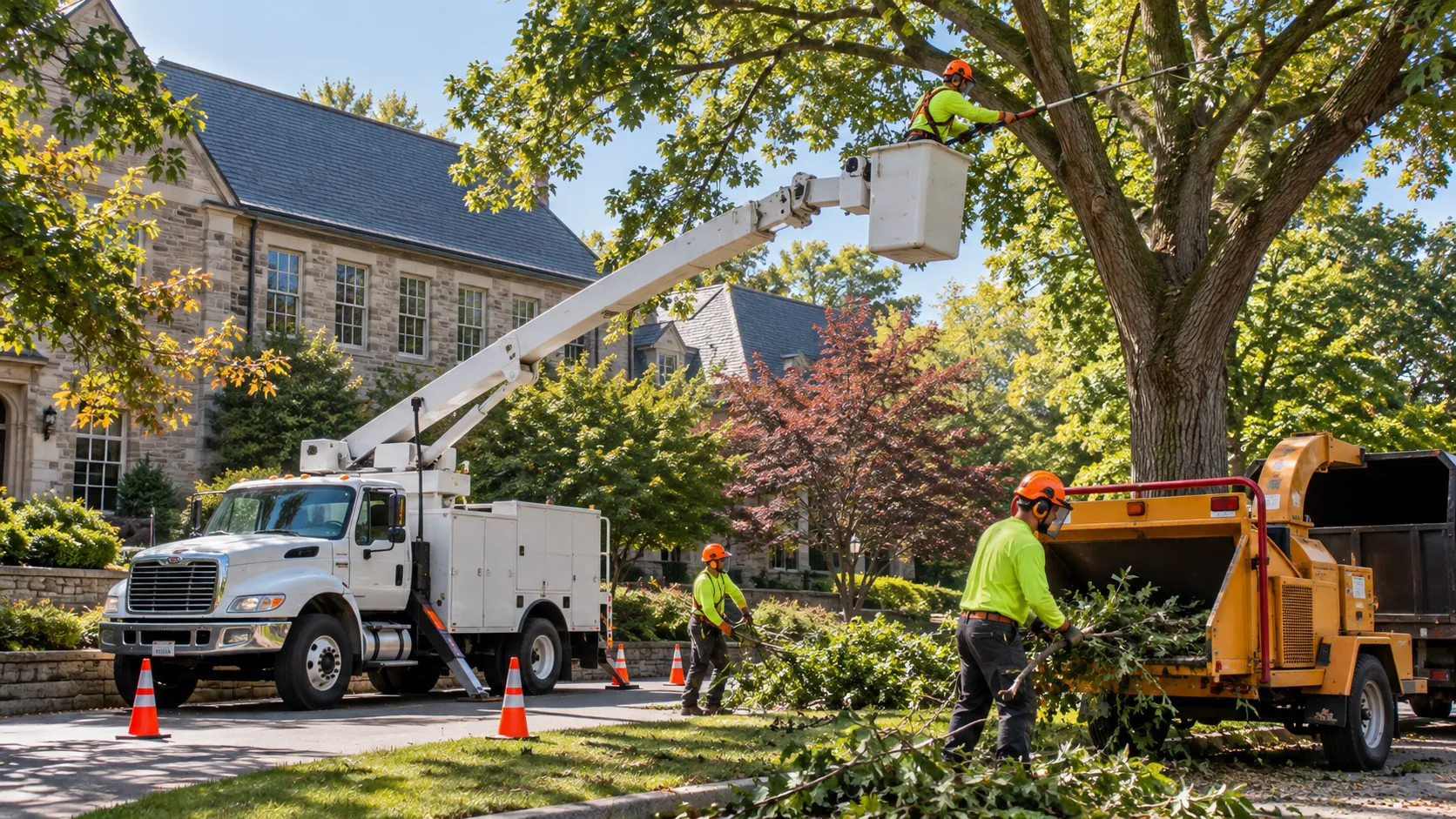
Yes, but nearby targets change the plan. Trees over roofs, garages, fences, gardens, neighboring property, wires, or narrow driveways may require sectional removal, controlled rigging, specialized equipment, smaller drop zones, or more careful staging. Those constraints are major scope and price factors. Utility conflicts deserve particular caution, and electrical hazards should be handled according to the responsible utility's requirements. Good planning begins by identifying those targets before the first cut, not after equipment is already on site.
Do you handle commercial and managed properties?
Commercial and managed-property tree work can include offices, schools, institutions, multifamily properties, associations, and other sites where scheduling, pedestrian control, vehicle access, repeat maintenance, and documentation matter. The basic tree-care services are similar to residential work, but site logistics often drive the plan. Use the commercial tree-service page or estimate form to describe the property, access requirements, and scope you need reviewed.
How do I get an estimate?
Use any estimate form on the site or call (617) 553-6575. Include the property address, the service you think you need, and a short description of the tree or problem. Helpful context includes whether the tree is near a structure or utility, whether access is tight, and whether the request is storm-related or urgent. The information helps route the inquiry and prepare for a site-specific estimate.