
Define the tree and work
Quotes should identify the tree or trees and describe removal, pruning, stump work, health assessment, support, cleanup, or other work clearly enough to avoid ambiguity.
The practical standards this site is designed to support without inventing operator credentials or promises.
This page describes the standards the site is designed to encourage when leads are handled and jobs are quoted. It does not invent a warranty, license, certification, response time, or guarantee for a contractor who has not yet been attached to the site.
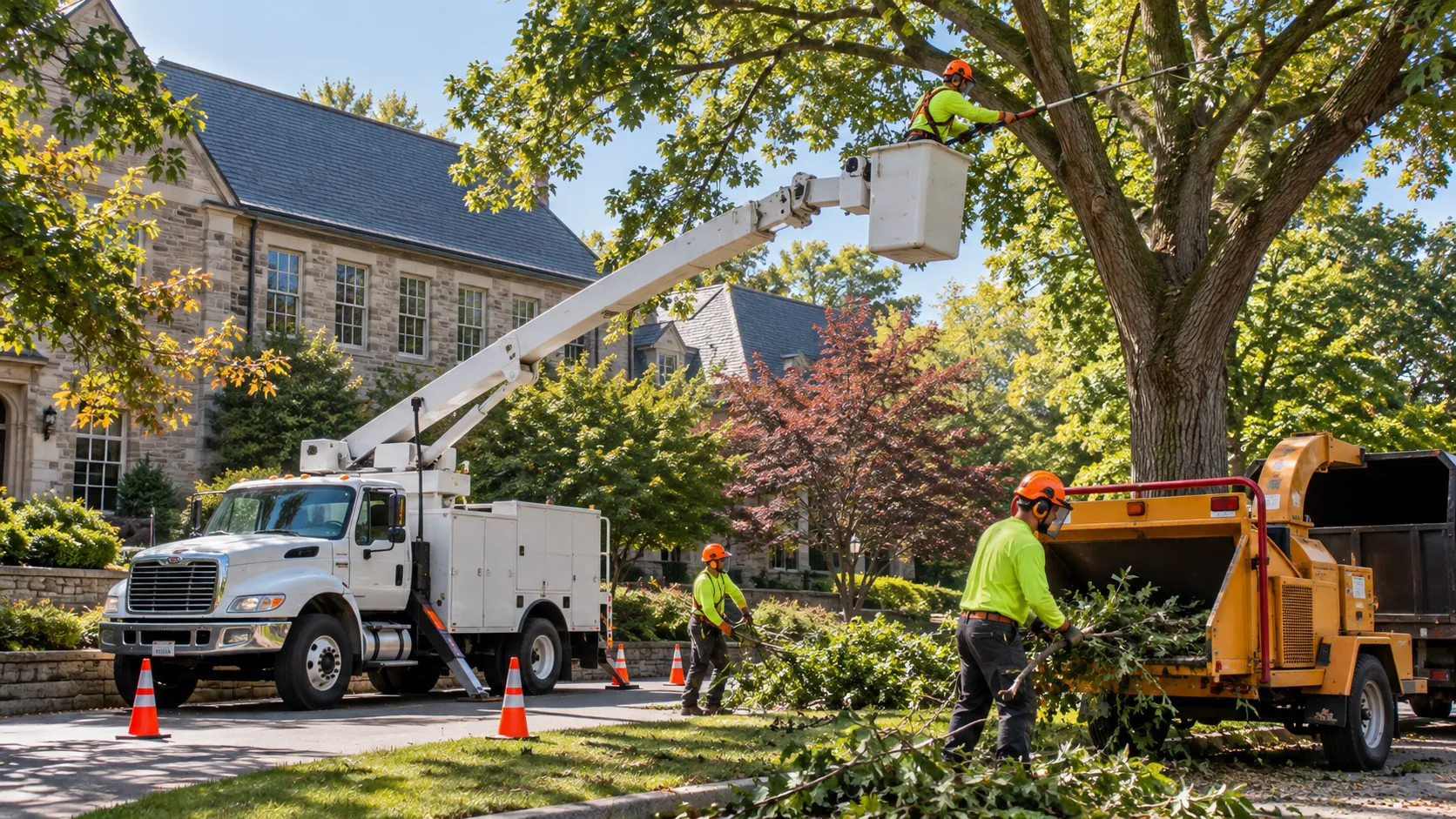
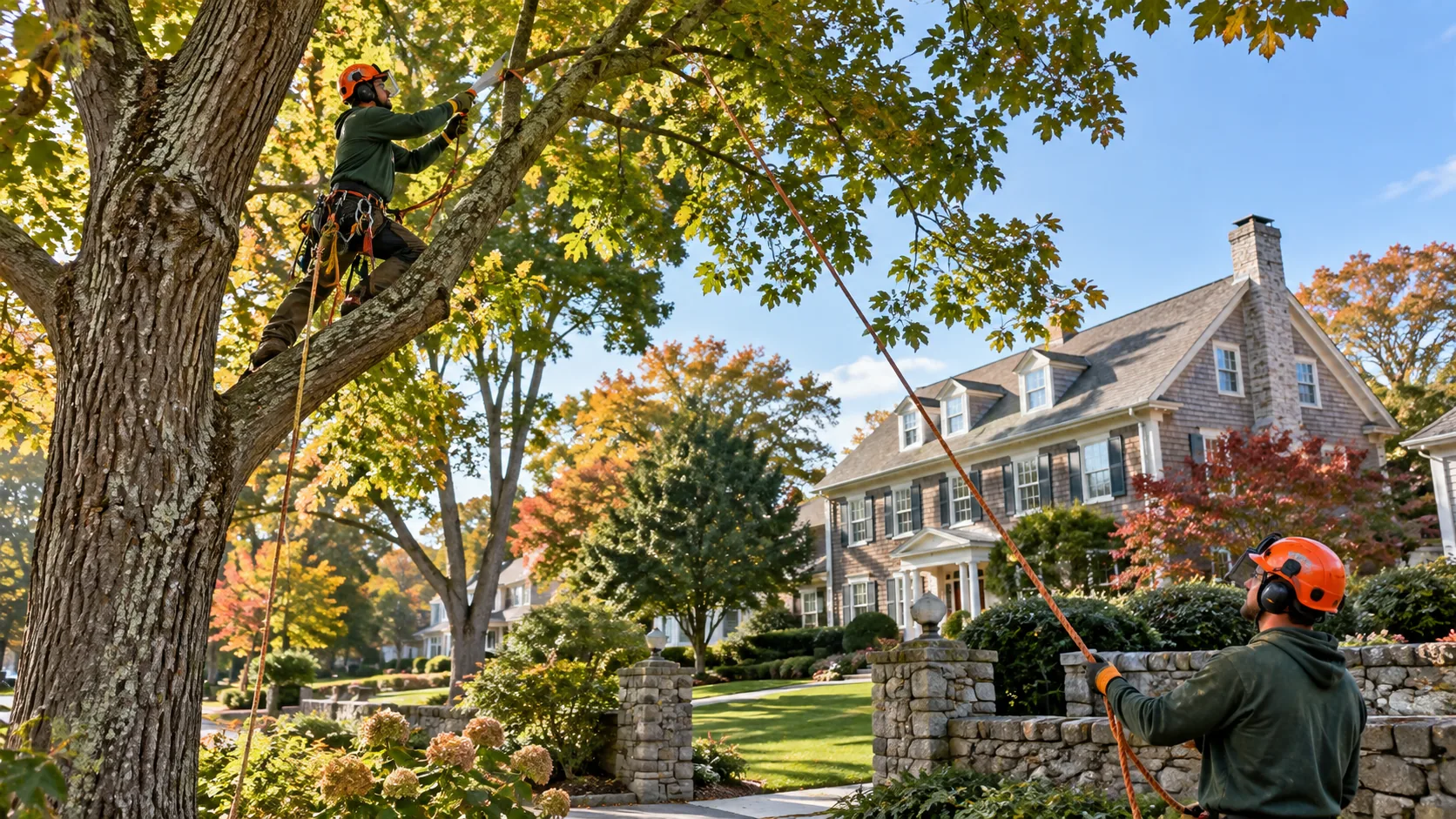
Quotes should identify the tree or trees and describe removal, pruning, stump work, health assessment, support, cleanup, or other work clearly enough to avoid ambiguity.
Brush chipping, log hauling, leaving wood, stump chips, backfill, and restoration should be discussed rather than assumed.
Gates, lawns, walls, driveways, neighboring property, traffic, utilities, and equipment staging can change the plan and should be addressed before work begins.
Newton tree permits, construction protection, replacement rules, or local requirements in surrounding communities should be identified when they affect the work.
Tree work affects more than the tree itself. A useful pre-work conversation should address where trucks or a chipper can park, whether a driveway must remain open, how pets and children will be kept out of the work zone, whether neighboring access is involved, and what landscape features need protection. On a managed property, the same planning may include tenant notices, temporary parking restrictions, school or office hours, and pedestrian routing.
If the scope depends on a crane, bucket, mini skid, stump grinder, or other equipment, access assumptions should be stated before scheduling. Surprises at the gate are expensive for everyone.
Tree work combines height, chainsaws, rigging, heavy wood, vehicles, chippers, grinders, and sometimes electrical hazards. Downed wires and trees contacting electrical infrastructure should be treated as utility or emergency-authority issues before ordinary tree service. Storm conditions, unstable trees, compromised structures, and traffic can also require controls beyond routine residential work.
The site intentionally avoids promises such as “24/7,” “same day,” “licensed and insured,” or “ISA Certified” unless those facts are verified for the contractor actually fulfilling the lead.
Tree debris can be handled several ways. Brush may be chipped and hauled, wood may be removed, larger logs may be left in agreed lengths, and stump grindings may be left in the hole or removed. Those choices affect labor, disposal, and what the yard looks like at the end of the job.
The same goes for restoration. Filling a stump depression, adding topsoil, seeding, repairing turf damage, or resetting landscape materials should be included only when they are actually part of the quote. Clear boundaries prevent a reasonable tree-service price from becoming an argument about work that was never discussed.
A useful estimate should make it possible to understand why two options cost different amounts. A lower quote may exclude stump grinding, log hauling, difficult rigging, crane time, or restoration. A higher quote may include those items. Price matters, but scope is what makes price comparable.
For larger jobs, homeowners should also ask what happens if hidden decay, inaccessible roots, buried metal in a stump, or unexpected site conditions change the work. Clear change communication is better than vague contingency language.
For larger or recurring properties, basic records can make future tree care easier. Note what trees were removed, what was pruned, where support hardware was installed, what health symptoms were observed, and what items were recommended for monitoring. Cabling and bracing especially should not disappear from memory once the crew leaves. A living tree continues to grow around any installed system and should be reinspected on an appropriate interval.
For homeowners, even simple before-and-after photos and a copy of the estimate can help when future pruning, insurance questions, construction, or property transfers bring the tree back into the conversation.
Tree care is not improved by automatically saving every tree or removing every tree. A structurally sound mature tree can provide shade, character, stormwater benefits, and property value. A severely decayed, root-compromised, or badly placed tree can impose unacceptable risk or repeated maintenance cost. The recommendation should follow condition, site, targets, goals, and realistic management options.
Include the property address, the service you need, what the tree is close to, and any access or storm-damage details that may affect the work.